
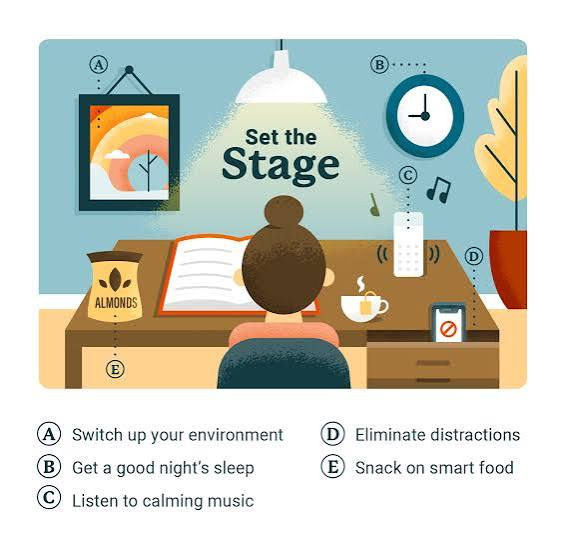
Effective study is about adopting the right strategies to understand, retain, and apply what you learn rather than simply spending long hours with books. Following the best study tips for school students can help develop effective study habits, improve academic performance, and reduce exam stress. Whether you’re in elementary school or preparing for board examinations, using the right study techniques can make learning more productive and enjoyable.
We’ll look at useful study strategies in this book that any student may use to improve their performance.
1. Create a Study Schedule
One of the best study tips for school students is to create a well-planned study schedule. Set aside specific time slots for each subject and include short breaks to stay focused and avoid burnout. A consistent study routine helps students manage their time effectively, stay organized, and complete their lessons without last-minute stress.
Tips:
- Study at the same time every day.
- Prioritize difficult subjects when you’re most alert.
- Keep your schedule realistic and flexible.
2. Set Clear Goals
Before each study session, determine clear and achievable goals. Setting specific objectives is one of the best study tips for school students, as it helps you stay motivated, focused, and organized throughout your learning session.
For example:
- Complete one chapter of Science.
- Solve 20 Mathematics problems.
- Revise English grammar for 30 minutes.
3. Choose a Quiet Study Environment : One of the best study tips for students
Concentration is enhanced by a tidy and distraction-free study area. Steer clear of utilising social media or watching television while studying.
Your study area should have:
- Good lighting
- A comfortable chair and desk
- Minimal noise
- All necessary books and stationery
4. Take Regular Breaks : One of the best study tips for students
Studying nonstop for a few hours can make you less productive. Brief pauses aid in mental renewal.
A straightforward strategy is to study for 45 to 50 minutes, then take a 10-minute break. Stretch, sip water, or go for a quick stroll during the break.
5. Make Smart Notes: One of the Best Study Tips for Students
Writing important points in your own words helps improve understanding and memory.
Use:
- Bullet points
- Mind maps
- Flowcharts
- Color-coded highlights
- Flashcards for quick revision
6. Practice Instead of Just Reading: One of the Best Study Tips for Students
Reading by itself is often not enough for effective learning. One of the best study tips for school students is to practice what you learn by using worksheets, practice problems, and previous years’ exam papers. These activities can strengthen your understanding, improve problem-solving skills, and help you prepare confidently for exams.
This is especially important for:
- Mathematics
- Science
- English grammar
- Social Science
7. Revise Regularly : One of the Best study tips for students
Revision is the key to long-term memory. Instead of waiting until exams, review your notes every week.
A good revision routine includes:
- Daily review of class notes
- Weekly revision of completed chapters
- Monthly revision of important topics
8. Ask Questions
If you don’t understand a topic, don’t hesitate to ask your teacher, parents, or classmates. Clearing doubts early prevents confusion later.
Remember, asking questions is part of effective learning.
9. Stay Healthy
Your brain performs better when your body is healthy.
Maintain healthy habits by:
- Sleeping 8–9 hours each night
- Eating balanced meals
- Drinking enough water
- Exercising regularly
- Limiting excessive screen time
10. Avoid Last-Minute Cramming
Trying to learn everything the night before an exam often leads to stress and poor retention.
Instead:
- Start preparing early.
- Revise regularly.
- Focus on understanding concepts rather than memorizing everything.
11. Practice Time Management
Balance your study time with sports, hobbies, and relaxation. Good time management reduces stress and helps maintain consistency throughout the academic year.
12. Stay Positive and Motivated
Each learner learns at a unique rate. Celebrate little victories and maintain your consistency. Long hours of study are often not as effective as self-assurance, self-control, and perseverance.
Common Study Mistakes to Avoid
Many students unknowingly develop habits that reduce learning efficiency. Avoid these common mistakes:
- Studying without a timetable.
- Using mobile phones during study sessions.
- Memorizing without understanding concepts.
- Ignoring weak subjects.
- Skipping revision.
- Sleeping too little before exams.
Final Thoughts
Success in school doesn’t depend only on intelligence—it depends on developing effective study habits. By following a structured routine, practicing regularly, revising consistently, and maintaining a healthy lifestyle, students can improve both their confidence and academic performance.
Remember, small daily efforts lead to significant long-term success. Start with one or two of these study tips today, stay consistent, and you’ll see steady improvement in your learning journey.
Frequently Asked Questions
1. How many hours should school students study each day?
The ideal study time varies by age and grade level. Consistent, focused study sessions are generally more effective than studying for long hours.
2. What is the best time to study?
Choose the time when you feel most focused, whether that’s early morning, after school, or in the evening.
3. Is revision more important than reading?
Both are important. Reading helps you learn new concepts, while revision helps you remember and apply them.
4. How can I improve concentration while studying?
Study in a quiet place, eliminate distractions, take regular breaks, and set clear goals for each study session.
Relatable links : https://meghna.sanjhihavelicorbett.com/effective-study-tips-for-students/